What to Include in a Rubber-Lined Slurry Pipe RFQ
Record solids characteristics, particle size distribution, concentration, liquid chemistry and operating flow range. An isolated design-flow figure can miss the effects of low-flow settling or start-up conditions.
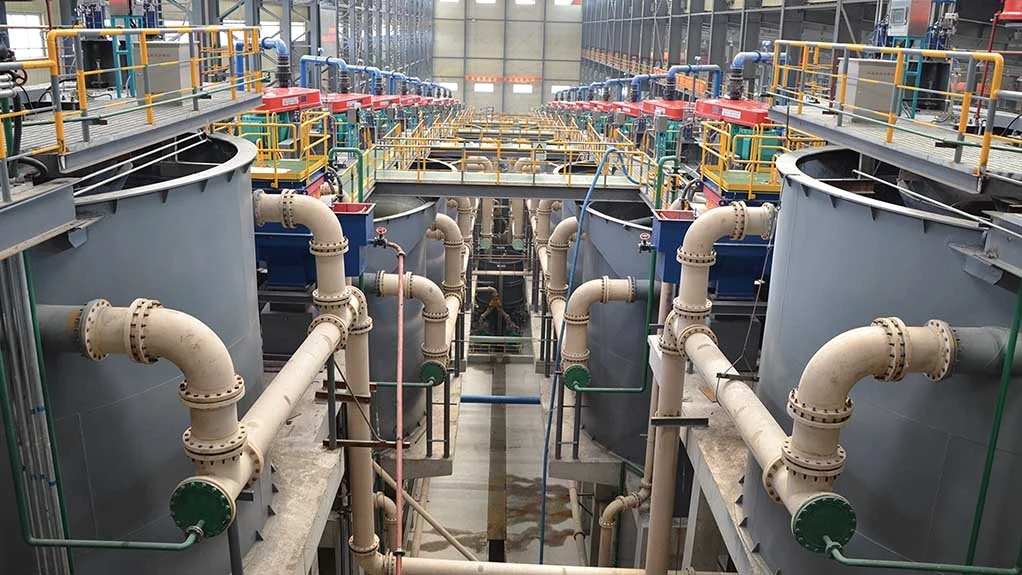
Dimensions and service inputs
Mark elbows, branches and discharge areas where wear is expected. Show the available space around those spools and identify whether the line can be dismantled in sections.
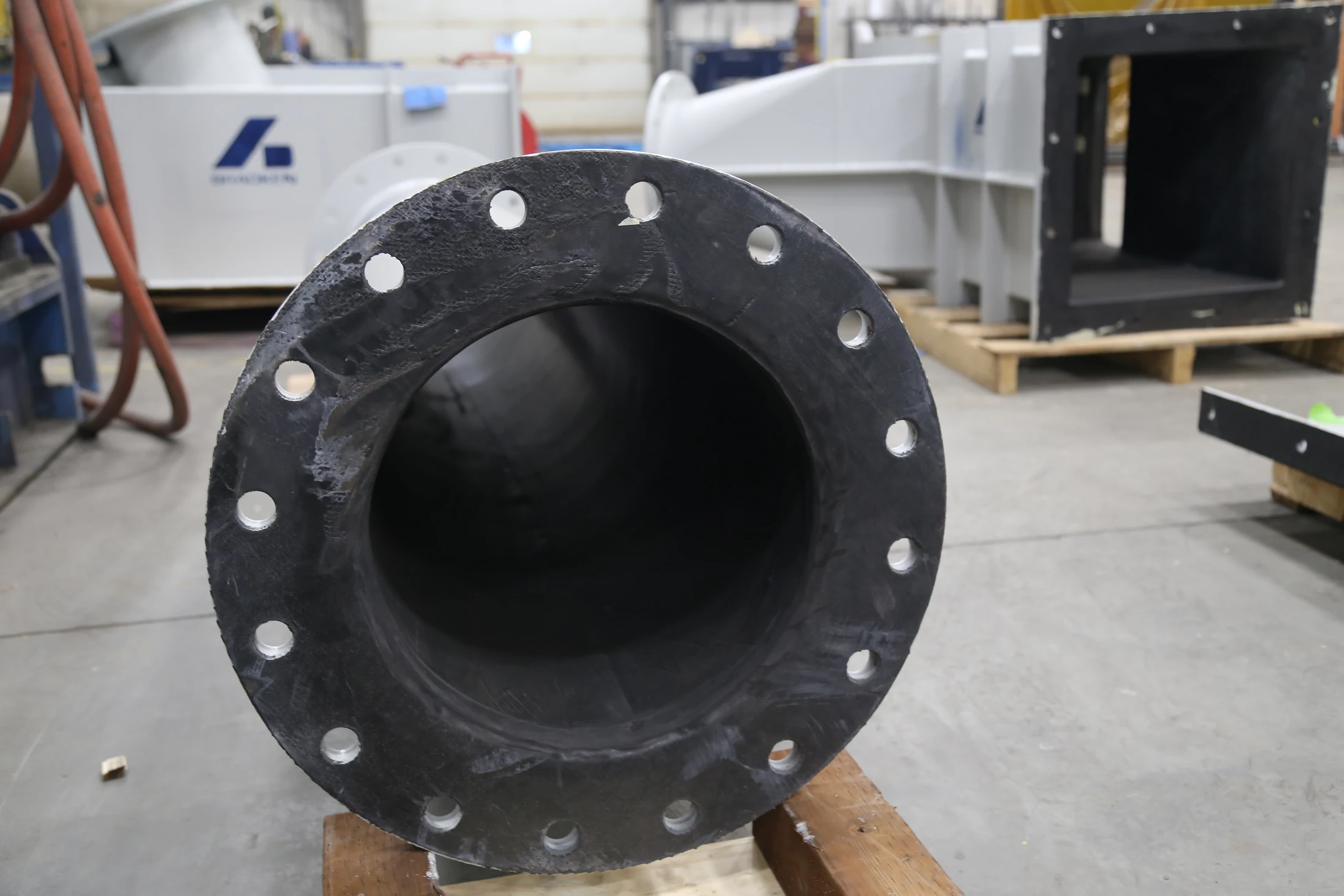
Before issuing the RFQ
Ask suppliers to define what the quote includes for each tag, including the pipe shell, lining, flange configuration and documentation. Use the same schedule when comparing offers.
Identify high-wear spools on the drawing
If one part of a line experiences recurring wear, attach photos and mark the location, flow direction and what happened during prior replacements. A separate spare spools list makes the quote easier to compare and can simplify later replacement.
Related products
Related information
- Rubber-Lined Steel Pipes
- Custom Rubber-Lined Equipment
- Request a project quotation
- Technical resources
- Choosing Replacement Lined Spools for Mineral Slurry Lines
Discuss your application
Send the medium, operating conditions and mating dimensions for the parts under review. If the project is a replacement, include the existing equipment tag and drawing revision.