Selecting a Rubber Lining for a Storage Tank
A rubber-lined tank inquiry should identify chemicals, concentrations and temperatures across production and cleaning. Rubber families vary by compound, so a recommendation should identify the actual system under review.
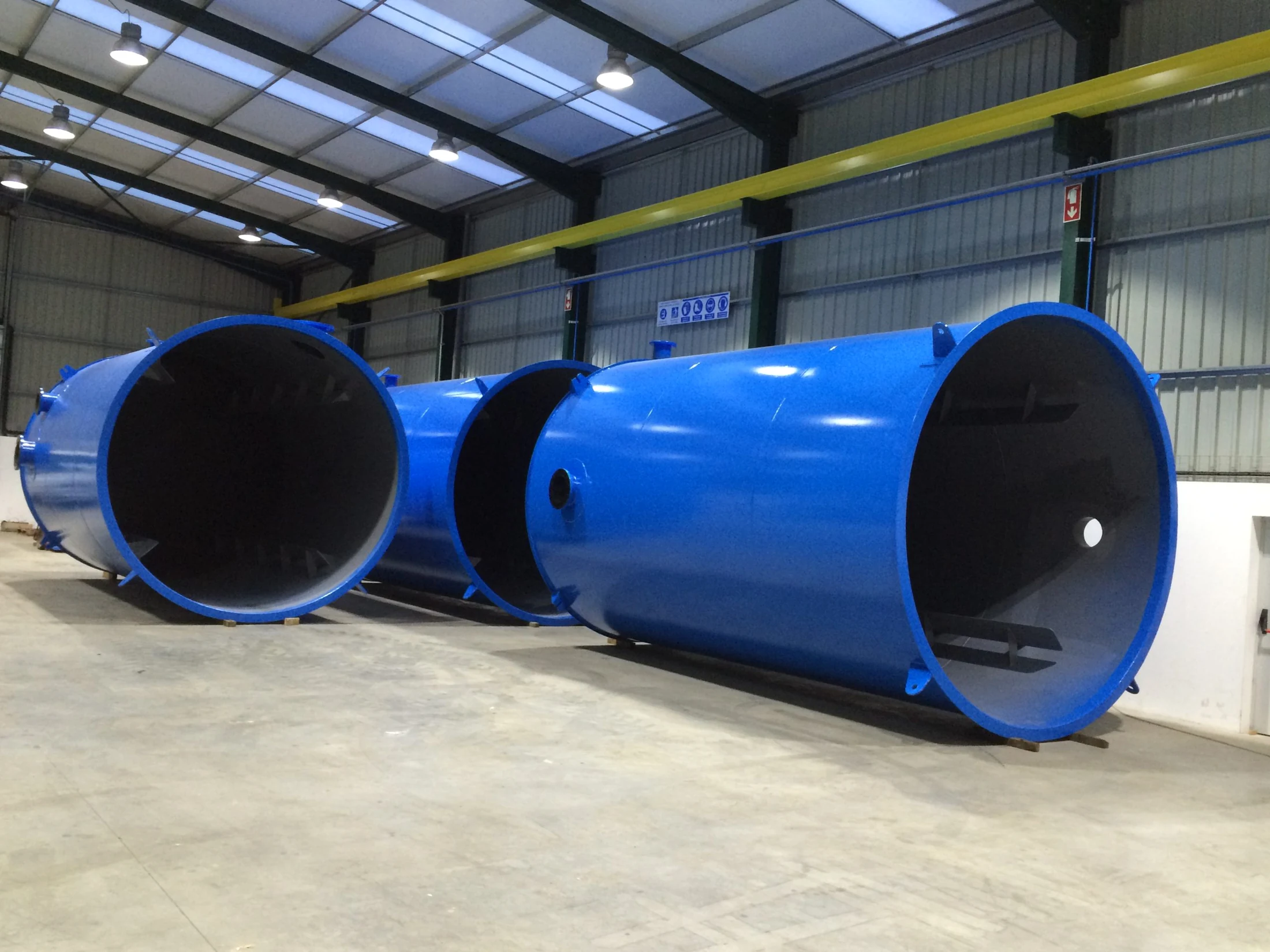
Dimensions and service inputs
Where solids are present, include expected motion, settling, scraping and coarse particles. Include exposure outside normal duty, such as intermittent washdown and empty-storage conditions.
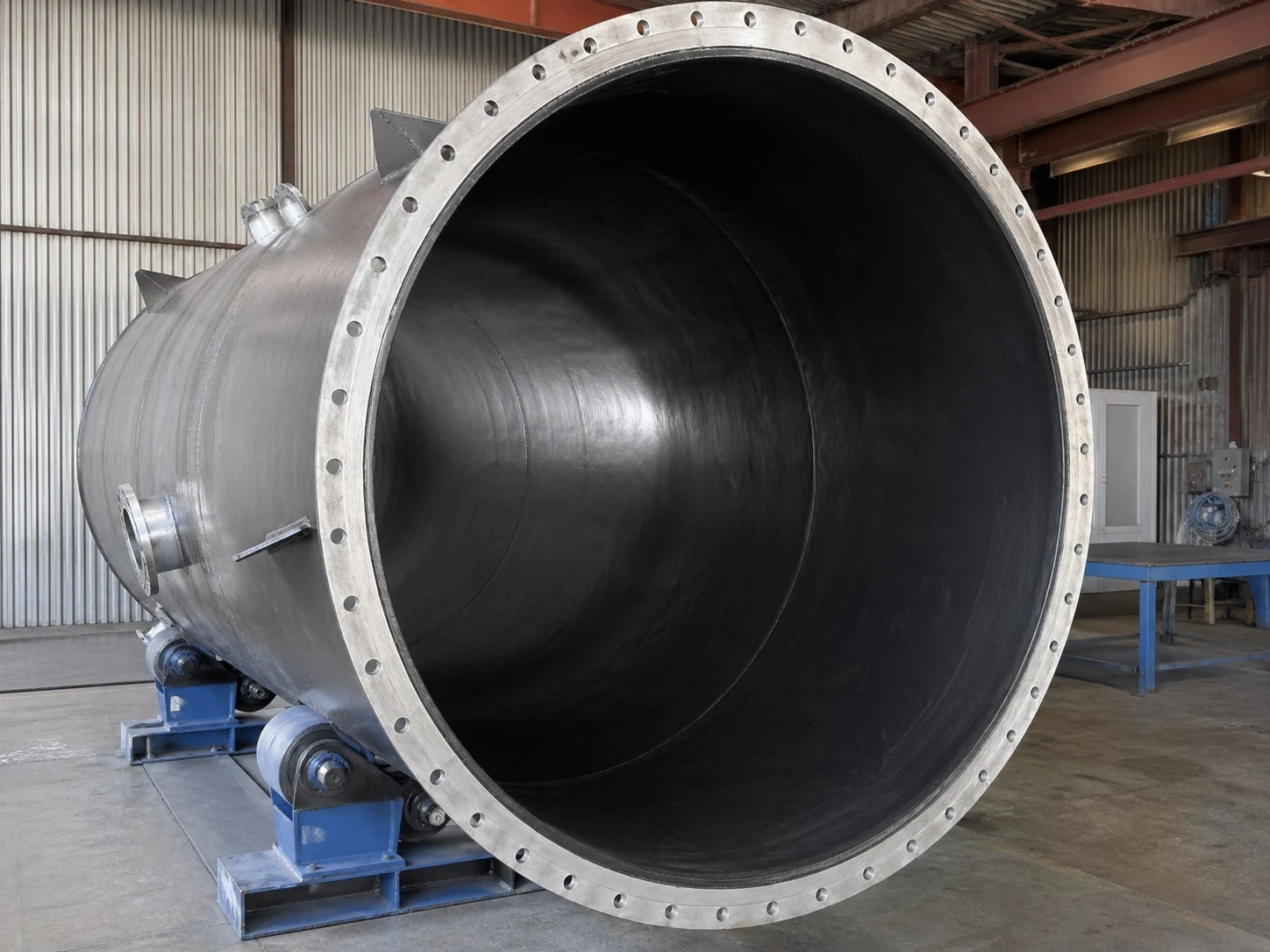
Before issuing the RFQ
Agree how surfaces, seams and nozzle terminations will be inspected. For repair quotations supply photos and identify the age, condition and known lining type.
Treat the cleaning cycle as a separate service
A tank holding one fluid can see a different chemical and temperature during cleaning. Provide concentrations, dwell time and frequency for that case. Include the existing liner’s condition if the project is a relining job. Record how the tank is drained after cleaning. Retained liquid can expose the lower lining, seams and outlet to a different duty from the main working surfaces.
Related products
Related information
Discuss your application
Send the medium, operating conditions and mating dimensions for the parts under review. If the project is a replacement, include the existing equipment tag and drawing revision.