Concentric or Eccentric Reducer for a Lined Line
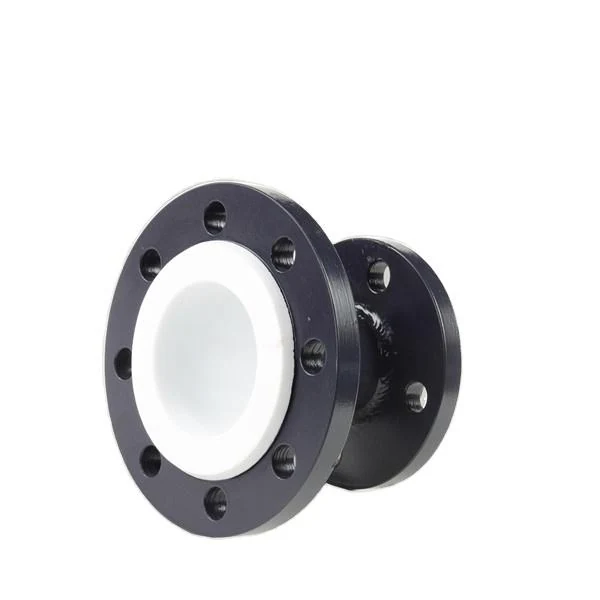
A concentric transition keeps the two end centers on the same axis. An eccentric transition offsets one end. The piping layout, fluid behavior and equipment instructions govern which geometry is appropriate.

Dimensions and service inputs
Include the large and small bores, face-to-face dimension, and the orientation of the eccentric offset when specified. A side view with an arrow for flow direction makes the request easier to interpret.
Before issuing the RFQ
Check drainage, venting and equipment fit with the project piping engineer. Confirm the actual lined bore and flange face after the geometry is agreed.
Make the offset explicit
On a horizontal unit, show the eccentric offset direction in an end view with a clear reference such as top or bottom of pipe. If the assembly can rotate during installation, identify the flange hole orientation that fixes the intended position.
Related products
Related information
- PTFE-Lined Reducers
- PTFE-Lined Steel Pipes
- Request a project quotation
- Technical resources
- Checking Connections Along a Corrosive Liquid Transfer Route
Discuss your application
Send the medium, operating conditions and mating dimensions for the parts under review. If the project is a replacement, include the existing equipment tag and drawing revision.